
Water Damage Restoration near Texas State Capitol Austin TX
Downtown Austin's offices, government buildings, condos, and apartments near the Texas State Capitol face unique water damage risks — from aging plumbing and sprinkler line breaks to stormwater intrusion and hidden moisture behind walls. Our local team delivers fast water removal, structural drying, and full restoration support near Congress Avenue, Lavaca Street, and across the 78701 zip code.
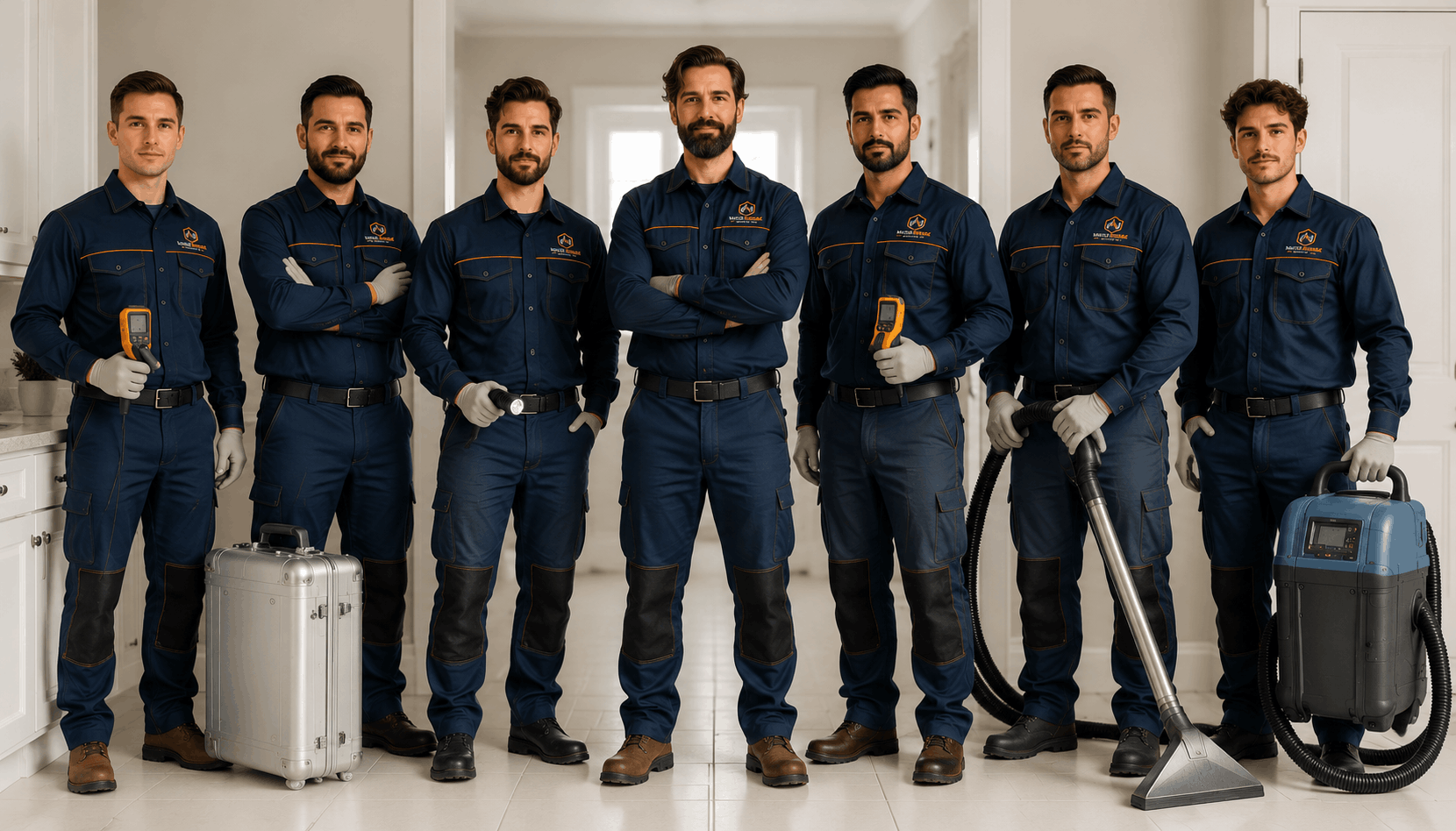
🚨 Water Emergency Near Texas State Capitol?
Burst pipes, sprinkler leaks, or flooding in your downtown office or condo? Our team responds fast across 78701 and Downtown Austin — call now, day or night.
Call Now: +1 (512) 547-6547Why Properties Near the Texas State Capitol Need Water Damage Restoration
The blocks surrounding the Texas State Capitol in Downtown Austin include a dense mix of commercial offices, historic government buildings, high-rise condos, and older multi-story structures — each with its own water damage vulnerabilities.
Aging Government & Commercial Buildings
Many structures near the Capitol along Congress Avenue, Lavaca Street, and 11th Street were built decades ago. Aging galvanized or cast-iron pipes, outdated HVAC drainage systems, and deteriorated waterproofing make them highly susceptible to slow leaks and sudden plumbing failures. When a pipe fails in a multi-story building, water can travel through multiple floors before anyone notices. Our team handles pipe leak damage repair in these complex structures.
Sprinkler System Leaks & Malfunctions
Downtown office buildings, condominiums, and government facilities are required to maintain fire sprinkler systems. These systems can malfunction, develop pinhole leaks at joints, or accidentally discharge — releasing hundreds of gallons of water in minutes across multiple floors. Sprinkler water damage is one of the most destructive and least expected sources of flooding in commercial buildings. We provide immediate flood cleanup after sprinkler events.
Stormwater & Roof Leaks in Urban Properties
Downtown Austin is subject to intense Central Texas storms that send heavy rain across flat commercial rooftops, overloaded storm drains, and street-level flooding near 6th Street and Congress Avenue. Roof membrane failures, blocked scuppers, and inadequate drainage cause water to pool and penetrate building envelopes. We offer storm damage restoration for downtown commercial and residential properties after severe weather events.
Hidden Moisture in High-Traffic Buildings
Office buildings and government facilities near the Capitol see hundreds of people daily, which means small leaks can go undetected for weeks while moisture spreads behind walls, under flooring, and above ceiling tiles. Hidden moisture leads directly to mold growth and structural deterioration. Our hidden moisture detection service uses professional-grade tools to locate and document every affected area.
Condo & Multi-Unit Apartment Leaks
Downtown Austin's residential high-rises and converted loft buildings near Lavaca Street and West 11th Street present multi-unit liability challenges. A leak from one unit's appliance, bathroom, or plumbing stack can damage several units below. Shared building systems and stacked plumbing create cascading damage scenarios that require coordinated extraction and drying. We handle appliance leak repair and multi-unit water damage with clear documentation for property managers.
Mold Risk in Austin's Humid Climate
Austin's heat and humidity — especially in summer — create ideal conditions for mold to develop within 24–48 hours of any moisture event. In downtown properties where HVAC systems recirculate air through entire floors, mold spores can spread quickly through ductwork. After water damage near the Texas State Capitol, an emergency mold inspection is often recommended to confirm the space is safe for occupants.
Downtown Properties Can't Wait — Every Hour Matters
In commercial and multi-unit buildings near the Texas State Capitol, water damage spreads fast through shared walls, elevator shafts, and ceiling systems. Delaying response increases repair costs, liability exposure, and the risk of mold. Call our team immediately for fast assessment and water extraction in the 78701 corridor.
Water Damage Restoration Services Near Texas State Capitol
We provide a full range of water damage restoration services tailored to downtown Austin offices, condos, apartments, and government-adjacent commercial properties.
Flood Cleanup & Water Extraction
Rapid standing water removal from offices, lobbies, basement levels, and parking structures near Congress Avenue and Capitol grounds using truck-mounted extraction equipment.
Pipe Leak Damage Repair
Emergency response to burst pipes, pinhole leaks, and plumbing failures in older downtown commercial buildings and mixed-use properties along Lavaca Street and 11th Street.
Hidden Moisture Detection
We use professional thermal imaging and moisture meters to locate water trapped behind drywall, under flooring, and above suspended ceilings in multi-story downtown buildings.
Emergency Mold Inspection
After any water event near the Texas State Capitol, we assess for mold risk and document findings — critical for commercial property managers and government building administrators.
Storm Damage Restoration
Roof intrusion, clogged drains, and stormwater flooding following Central Texas storms affect downtown Austin properties regularly. We restore affected areas and document damage thoroughly.
Appliance Leak Repair & Cleanup
HVAC condensate overflows, kitchen appliance failures, and water heater leaks are common in downtown condo towers and apartment buildings. We extract water and dry affected areas fast.
Basement & Lower Level Drying
Parking garages, basement offices, and lower-level storage areas in downtown Austin buildings are vulnerable to groundwater intrusion and stormwater flooding. We dry and restore these spaces completely.
Free Inspection & Damage Assessment
Not sure how bad it is? Our team inspects your downtown Austin property, documents moisture levels, and explains the full restoration process with no obligation to commit.
Common Water Damage Problems Near Texas State Capitol
Downtown Austin's dense, mixed-use environment creates specific recurring water damage scenarios that our team handles regularly in the 78701 area.
Several buildings near the Texas State Capitol and along Congress Avenue date back to the early to mid-1900s. Original cast-iron and galvanized steel pipes corrode over time, leading to pinhole leaks and sudden ruptures. Water damage from aged plumbing in these structures often goes undetected for months, soaking insulation and framing inside walls before showing visible signs.
Accidental sprinkler discharge, head corrosion, and joint leaks are a leading cause of commercial water damage in downtown Austin office buildings. A single sprinkler head can release 15–25 gallons per minute, flooding entire floors within minutes. These events are especially common during building renovations, HVAC maintenance, and high-heat conditions near ceiling ducts.
Flat and low-slope commercial rooftops common in downtown Austin buildings accumulate debris that blocks drains and scuppers. During heavy storms, standing water accumulates, finds gaps in the roof membrane, and begins leaking through ceiling assemblies. Roof intrusion water damage often spreads to multiple floors before the source is identified.
In downtown Austin's high-humidity environment, HVAC units in offices and residential condos near Lavaca Street and 11th Street generate significant condensate. Clogged condensate drain lines and overflowing drain pans cause water damage to ceiling tiles, drywall, and electrical components — a slow-drip problem that becomes a major issue over time.
Multi-story residential buildings near the Capitol and along West 6th Street frequently deal with unit-to-unit water damage. A toilet overflow, washing machine hose failure, or bathroom tile leak on an upper floor travels through shared ceiling and floor assemblies, damaging units below. Property managers and HOAs face complex liability and insurance coordination in these scenarios.
Intense Central Texas storm events overwhelm downtown Austin's drainage infrastructure, causing street-level flooding along Congress Avenue, 6th Street, and near the Capitol grounds. Ground-floor retail, restaurant, and office spaces absorb this floodwater through entry points, low-lying windows, and below-grade access routes. Fast extraction and proper drying are essential to prevent permanent structural damage and mold.
Serving Properties Throughout Downtown Austin & Surrounding Areas
Our team responds to water damage calls near the Texas State Capitol and throughout the broader Downtown Austin corridor — from the UT Austin campus to Rainey Street and beyond.
Primary service zip codes: 78701, 78702, 78703, 78705 and all surrounding Downtown Austin areas.
How We Restore Water-Damaged Properties Near the Capitol
A clear, methodical process — designed for the unique complexity of downtown Austin commercial and multi-unit buildings.
01. Emergency Response & Rapid Dispatch
You call us at +1 (512) 547-6547 and we dispatch immediately — 24 hours a day, 7 days a week. For downtown Austin properties near the Texas State Capitol, fast response is critical to preventing water from spreading through multi-floor building systems.
02. Assessment, Moisture Mapping & Documentation
Our technicians inspect the full scope of damage using moisture meters, thermal cameras, and visual inspection. We create a detailed moisture map of the affected areas — essential for insurance claims and for property managers overseeing multi-tenant buildings.
03. Water Extraction & Emergency Drying Setup
We extract standing water using high-capacity equipment and immediately deploy commercial air movers and industrial dehumidifiers. For large commercial spaces and office floors near Congress Avenue, we use multiple units to achieve complete drying as quickly as possible.
04. Structural Drying & Moisture Monitoring
Drying is monitored daily with moisture readings tracked until all structural materials return to acceptable levels. We adjust equipment placement and airflow as the drying process progresses — nothing is assumed dry without measurement.
05. Cleanup, Sanitization & Restoration Guidance
Once fully dry, we sanitize affected areas and walk property managers, building owners, or homeowners through the next steps — whether that's drywall repair, flooring replacement, or a follow-up mold inspection to confirm the space is safe.
Downtown Austin's Trusted Water Damage Restoration Team
Property managers, condo owners, and business operators near the Texas State Capitol choose us for fast local response and professional, transparent restoration services.
Downtown Austin Specialists
We understand the unique building types near the Capitol — from historic government-adjacent offices to modern high-rise condos along Congress Avenue — and we know how water travels through them.
Commercial & Multi-Unit Experience
We regularly work in occupied office buildings, condo associations, and apartment complexes, coordinating with property managers and HOAs to minimize disruption while restoring affected spaces.
Advanced Moisture Detection
We don't guess — we use thermal imaging and calibrated moisture meters to find every pocket of hidden moisture in walls, under flooring, and above ceiling assemblies before we're done.
Mold-Aware Approach
Austin's heat and humidity make mold a real risk after any water event. We always dry thoroughly and can recommend an emergency mold inspection if conditions warrant it.
Clear Communication & Documentation
Property managers and owners always know exactly what we found, what we're doing, and what comes next — with written moisture logs and documentation that supports insurance claims.
Experienced Restoration Team
Our team follows established restoration practices for water extraction, drying, and property recovery in commercial and residential environments.
Serving the Texas State Capitol Area & Downtown Austin, TX
Our team is dispatched from the Austin area and responds to water damage calls throughout Downtown Austin, the Texas State Capitol district, and surrounding neighborhoods including East Austin, UT Austin, Rainey Street, and the Warehouse District.
Whether it's a burst pipe in a Lavaca Street office, a sprinkler malfunction in a Capitol-adjacent government building, or a flooded condo near Congress Avenue, we're ready to respond fast in the 78701 zip code and beyond.
📞 Call +1 (512) 547-6547Texas State Capitol Area Water Damage Restoration FAQs
Common questions from downtown Austin property owners, managers, and tenants in the 78701 zip code.
We offer 24/7 emergency response for water damage throughout Downtown Austin and the Texas State Capitol district, including the 78701 zip code. Our team is dispatched as quickly as possible after your call — day or night, weekends included. In dense downtown areas, fast response is critical because water spreads rapidly through shared building systems in multi-story commercial and residential structures.
Yes. We regularly work in occupied commercial office buildings, multi-tenant properties, and buildings adjacent to government facilities near Congress Avenue, Lavaca Street, and 11th Street. We coordinate with building managers, HOAs, and facility teams to assess damage, extract water, deploy drying equipment, and document everything for insurance and liability purposes — with minimal disruption to ongoing operations.
Stop the water source if accessible, contact your building manager immediately, and call our team. Multi-unit water damage situations in downtown Austin condo buildings require quick documentation of affected units, fast extraction, and proper moisture mapping to determine how far water traveled through shared building assemblies. We work directly with property managers and can provide documentation that supports insurance claims for all affected parties.
Yes — in Austin's hot and humid climate, mold can begin developing within 24 to 48 hours of a moisture event, especially in spaces with limited airflow or areas where water is hidden behind walls and under flooring. After any water damage event near the Capitol, professional drying is essential, and an emergency mold inspection may be recommended if moisture was present for more than 24–48 hours or if visible discoloration or odor is detected.
We serve properties throughout the Texas State Capitol district and all of Downtown Austin, including Congress Avenue, Lavaca Street, the 11th Street corridor, Sixth Street, the Red River District, Rainey Street, the Warehouse District, and the UT Austin area. Our primary service zip codes include 78701, 78702, 78703, and 78705. If you're unsure whether we serve your specific location, call us at +1 (512) 547-6547 and we'll confirm right away.
Need Water Damage Restoration Near the Texas State Capitol?
Our local Austin team is ready 24/7 for fast water extraction, structural drying, hidden moisture detection, and full restoration guidance — serving Downtown Austin and the 78701 area.